Ingenious Workshop Design Concepts for Modern Creators and Studios
As an interior designer specializing in creative studios, I approach every workshop project with the belief that the environment shapes the creator. Whether you’re a digital designer, sculptor, printmaker, or culinary artist, your workspace must enhance both productivity and inspiration. Workshop design is a blend of utility, aesthetics, and personalization. In this comprehensive guide, I…

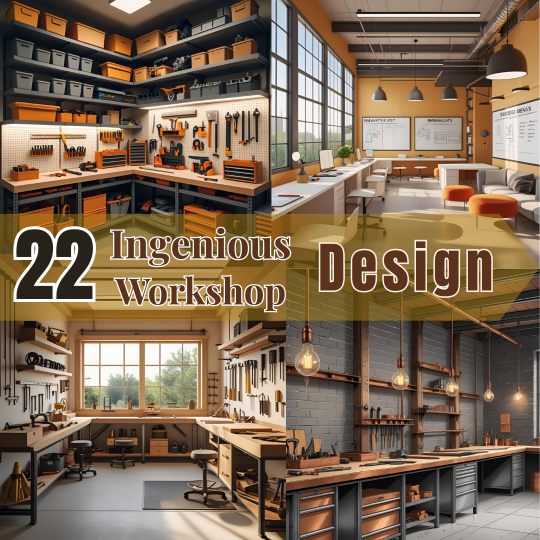
As an interior designer specializing in creative studios, I approach every workshop project with the belief that the environment shapes the creator. Whether you’re a digital designer, sculptor, printmaker, or culinary artist, your workspace must enhance both productivity and inspiration. Workshop design is a blend of utility, aesthetics, and personalization. In this comprehensive guide, I will walk you through 21 ingenious workshop design concepts, each grounded in functionality and visual harmony. These ideas are tailored to modern creators looking to transform even the smallest of studios into powerhouse spaces.
1. Maximizing Small Workshop Spaces With Smart Layouts

Small workshops demand spatial ingenuity. My first step is always zoning—both vertically and horizontally—to optimize flow without sacrificing function. I segment areas by task: assembly, storage, drafting, and cleanup. Vertical storage is essential, so I incorporate pegboards with adjustable hooks, suspended open shelving for frequently used tools, and fold-down workstations that disappear when not in use.

Every inch matters. I design with movement in mind—ensuring pathways remain clear and workstations don’t block one another. Lighting is layered for both utility and comfort: adjustable task lamps over benches for detail work, under-shelf LED strips for visibility, and overhead flush mounts or track lighting to broaden the visual field. For flexibility, I prioritize wall-mounted power strips and cord management systems. Tools and supplies live on mobile carts, rolling drawer units, or stackable bins—all easily reconfigurable based on project needs. Think in modules and movement: everything should tuck, stack, or slide to support adaptability in a tight footprint. This is how a small workshop becomes not just functional, but empowering.
2. Creating a Multi-Purpose Workshop Design Studio

Versatility is key when designing multi-purpose studios. I begin with modular furniture: nesting tables, convertible desks, and rolling partitions. I use washable paints and durable flooring (like epoxy-coated concrete or vinyl planks) to allow fluid transitions between tasks. Curtains or sliding doors help delineate zones while maintaining visual openness. Each corner becomes a station: sketching, crafting, photographing, or packaging.
3. Workshop Design Ideas That Blend Form and Function

Good workshop design is functional art. I emphasize symmetry, proportion, and visual rhythm in layout. Open shelving doubles as display; storage boxes in natural textures add calm. I use muted palettes with pops of creative energy—mustard yellow, deep blue, or terracotta. Pegboards aren’t just practical; I paint them in geometric patterns that make the wall part of the studio’s narrative.
4. How to Design an Eye-Catching Workshop Poster

A creative space should inspire—and that starts at the door. First impressions matter, so I often design custom workshop posters that act as visual anchors and set the creative tone from the outset. These aren’t just decorative—they’re statements of purpose. I use bold, sans-serif typography for clarity and impact, often paired with minimalist icons or subtle textures like line work or grids that echo the studio’s medium. The message should embody the studio’s ethos—phrases like “Made With Intention,” “Design. Build. Repeat.,” or “Create Something That Lasts” become both mantra and mission.

I mount the poster in a magnetic frame for quick seasonal or thematic swaps, allowing the space to evolve with its occupants. I may also echo the poster’s palette elsewhere in the studio—tying in accent cushions, desk organizers, or even the backsplash behind a sink area—so the message becomes woven into the space visually and emotionally. This simple yet powerful detail grounds the studio in intention and identity right from the threshold.
5. Efficient Workshop Storage Solutions for Every Corner

Storage in workshops must be intuitive. I opt for clear bins, labeled drawers, and open racks. Custom cabinetry under workbenches hides bulk materials, while ladder shelves above eye level store less-used items. Hidden pull-outs beneath benches are perfect for cutting mats, extra cords, or safety equipment. Every surface can serve a storage function.
6. Industrial-Inspired Workshop Design Trends

Exposed pipes, concrete textures, and black-framed glass partitions give workshops a bold identity. I incorporate galvanized shelving, reclaimed wood worktables, and Edison bulb fixtures for that raw, inspired look. Paint finishes lean matte. Accent walls with rivet detailing or chalkboard paint add an old-world meets new-tech charm.
7. Fresh Workshop Ideas to Inspire Creativity

To invigorate a studio, I introduce elements that spark joy: a color wheel mural as a bold focal point that doubles as a reference tool, an inspiration board layered with evolving sketches, textures, and material samples, or a pin-up zone featuring rotating artist quotes and mood images. These visual anchors stimulate creativity and keep the space dynamic. I bring in indoor plants—not just for aesthetic appeal, but to soften the space and improve air quality. Tall leafy species like fiddle-leaf figs or trailing pothos are great for corners and shelving.

Music plays a role too; I integrate studio playlists through Bluetooth speakers tucked discreetly into bookcases or cabinetry. It’s these small, intentional details that personalize the environment—vintage mason jars repurposed for brushes and pencils, handwoven stools that add texture and heritage, or patterned ceramic tiles inset at the sink or coffee nook for a playful pop. These tactile, emotional, and sensory cues turn a practical workspace into a place of daily inspiration.
8. Transforming Your Space Into a Functional Workshop Studio

Transformation begins with purpose. I draft scaled floor plans considering natural light, workflow, and tool access. The goal is fluid movement: each step from idea to execution should feel seamless. Key stations—cutting, sanding, assembling—form a deliberate triangle of function, minimizing steps and maximizing productivity. I pay attention to circulation space: 36 inches is my minimum clearance for comfortable movement, even when carrying materials.

I evaluate door widths to accommodate larger tools or carts, and I always ensure workbenches sit near ample outlets, with surge-protected strips mounted discreetly underneath. Outlet placement isn’t random—it’s aligned with fixed stations and mobile needs. Even stool height is matched to the bench surface, keeping posture ergonomic during long sessions. When designing for shared spaces, I incorporate zone dividers—either with open shelving, glass partitions, or simply subtle shifts in ceiling lighting—to define function without interrupting flow. Nothing is accidental; every inch of the workshop is a response to the user’s rhythm, habits, and creative discipline.
9. Clever Workshop Organization Hacks You’ll Love

Magnetic strips mounted above benches for quick-grab access to metal tools—screwdrivers, drill bits, scissors—all kept in clear view and off the work surface. I often complement this with slim-profile wall-mounted spice racks, repurposed to hold thread spools, paint tubes, or even mini cans for bolts and screws. These racks add vertical storage while keeping essentials within arm’s reach. To manage cables and chargers, I install Velcro cord keepers under desks or along table legs, which prevent tangles and trip hazards. Inside drawers, I craft custom inserts using foam board cut to fit specific tool shapes—this not only protects precision items but also helps users maintain order.

For multi-disciplinary makers, I integrate rolling carts organized and labeled by task—‘Finishing,’ ‘Assembly,’ ‘Prototyping’—to create mobile workstations that support flow. In larger studios, I go one step further: QR-coded bins linked to inventory apps make stock tracking seamless. Each organizational element is chosen for speed, efficiency, and visual clarity—allowing the maker to focus on creativity without the chaos.
10. Crafting a Beautiful Yet Practical Workshop Aesthetic

Even in utilitarian spaces, beauty matters—it enhances workflow, sparks joy, and grounds the creator in an environment that feels intentional. I begin by layering textures that evoke quiet craftsmanship: birch wood counters offer warmth and grain movement, linen café curtains diffuse natural light softly, and raw metal accents—like iron hooks or galvanized brackets—lend an honest, industrial edge. Paint plays a transformative role; I often use muted olive, slate blue, or dusty coral to introduce a refined tonal backdrop that feels both contemporary and timeless.

For visual storytelling, I curate framed patent prints, archival sketches, or vintage blueprints—art that connects the user to craft history. Pendant lights in brushed brass or aged bronze, often hung in clusters or on adjustable arms, create mood and targeted illumination. Tools, when arranged by type and material—wood-handled chisels, brushed stainless scissors, or aged leather pouches—become sculptural. Pegboards, shadow boxes, and wall-mounted racks help display them as a curated gallery rather than clutter. In these spaces, form follows function, but artistry is never an afterthought.
11. Designing a Modern and Bold Workshop Poster

A second poster moment can live above the main workbench, serving as both an aesthetic anchor and a motivational prompt. I often opt for bold, sans-serif typography in high-contrast colorways—black on white, deep navy on kraft, or rust on cream—to ensure legibility and energy. Punchy slogans or affirmations curated around the creator’s mission keep the tone inspiring yet professional. I layer in graphic elements like linework, negative space, or motion-inspired patterns that reflect the studio’s visual identity.
For digital creatives, I sometimes embed a discreet QR code linking to their online portfolio or latest project reel—turning wall art into passive branding. This adds not only personalization but also functionality, especially in studios where clients or collaborators visit. Poster dimensions are balanced with the scale of the workbench below, typically framed in slim black aluminum or magnetic rails for easy updates. Whether printed on linen paper or mounted on foam core, this second visual focal point reinforces the studio’s design language while doubling as a smart, strategic branding tool within the creative ecosystem.
12. Choosing the Perfect Workshop Table for Your Needs

The table is the workshop’s heart. I assess height, material, and stability according to the nature of the creative work. For fine, detail-oriented tasks—like hand-assembly, sketching, or electronics—I prefer maple butcher block tops, prized for their smoothness and resilience. I pair these with anti-fatigue mats in neutral tones or subtle geometric textures that reduce strain during long hours of standing. For heavier-duty work like woodworking or metal shaping, I select powder-coated steel legs with locking casters and leveling feet to ensure stability on uneven floors. Adjustable-height surfaces, often powered or crank-based, allow users to switch between sitting and standing ergonomically.

Integrated drawers with soft-close sliders, customizable compartments, and tool wells directly within arm’s reach add seamless efficiency. I often inset a magnetic strip or pegboard panel into the table’s edge for frequently used tools. A drop-leaf extension—hidden within the table body—folds out easily to support team collaborations, large material layouts, or client demos. To balance form with function, I finish the entire setup with a cohesive color palette and under-table lighting to enhance visibility and mood. The result is a centerpiece that not only supports productivity but also elevates the studio’s overall aesthetic.
13. Using Ideas Posters to Guide Your Creative Process

Idea posters are part inspiration, part workflow chart. I design them using erasable materials like glass-mounted whiteboards, acrylic panels, or chalkboard paint applied directly to a feature wall for an industrial edge. Clipboards hung from custom peg rails allow for movable project sheets, sketches, and client notes. Categories might include “In Progress,” “Needs Revision,” and “Ready to Ship,” with color-coded labels or magnets for fast visual scanning. For studios that thrive on iteration, I sometimes introduce a rotating board system—similar to kanban—to visualize where bottlenecks happen and where creative energy flows most freely.
Visualizing creative flow keeps momentum up and stress down. I also incorporate layered inspiration zones nearby, such as framed mood boards, typography samples, or printouts of favorite artist quotes, so the area becomes both motivational and operational. Lighting is strategic here—ambient task lighting ensures legibility while reducing screen fatigue when teams translate board ideas into digital formats. It’s all about building a system that fuels progress while celebrating the spirit of design.
14. Garage Shop Plans That Maximize Space and Usability

Garage workshops benefit from verticality. I mount storage all the way to the rafters using pulley systems, ceiling-mounted tracks, and motorized lifts for seasonal or bulky equipment like ladders and lumber. Overhead storage grids paired with labeled bins keep infrequently used tools accessible but out of the way. Fold-up workbenches—hinged against the wall or built into cabinetry—free up valuable parking space when not in use, especially in dual-purpose garages. Epoxy floors are stain-resistant, slip-resistant, and reflective, amplifying available light and making spills easy to clean.
I insulate walls with closed-cell spray foam for temperature control and noise dampening, often adding a vapor barrier for moisture-prone zones. Task lighting—such as under-shelf LEDs or articulating work lamps—is layered with ambient overhead fixtures to ensure clarity across all project zones. Roll-up tool chests and modular storage towers keep everything mobile, while lockable cabinets and magnetic tool boards maintain order and security. For added functionality, I sometimes install utility sinks, compressed air lines, or even fold-out drafting surfaces depending on the craft. It’s all about transforming a utilitarian space into a high-performance, visually clean workshop tailored to its owner.
15. Construction-Focused Workshop Design Essentials

For builders and woodworkers, dust management is critical. I incorporate central vacuum ports at key tool locations, coupled with HEPA filtration systems to maintain air quality and comply with OSHA standards. Ductwork is concealed within walls or overhead tracks to preserve aesthetics and maximize floor space. I install slat-wall or French cleat systems for adaptable tool hanging, and design dedicated lumber racks with tiered arms to keep species and lengths sorted. Benchtop tools are mounted on rolling bases with locking casters to allow reconfiguration based on project needs.

I label hardware drawers with icon-based decals for visual speed, and often color-code bins for quick identification. Flooring is industrial-grade rubber or sealed concrete, chosen for both comfort underfoot and easy cleanup of sawdust and adhesives. I also slope floors subtly toward floor drains in wet-working areas. Power tools sit near grounded outlets with surge protection, and I integrate overhead reels for retractable extension cords or pneumatic lines. Good LED task lighting over workbenches ensures detail accuracy, while daylighting reduces eye strain over long hours. Every decision balances durability, efficiency, and the rhythm of real craftsmanship.
16. Using Architectural Backgrounds to Inform Workshop Layouts

My architectural training informs everything—from symmetry in layout to the flow of natural light. I use drafting software like Auto-cad and Revit to test spatial configurations, simulate seasonal shadow patterns, and plan optimal acoustics using both hard and soft surface materials. In daylight-driven studios, I map sun paths to position workstations for glare-free productivity, often integrating clerestory or transom windows for ambient light without visual fatigue.
When possible, I align major fixtures—like lighting pendants, islands, or shelving units—with window mullions, ceiling grids, or beam lines to establish rhythm and visual harmony. I also factor in HVAC placement and mechanical chases during the schematic phase to minimize visual clutter later. Every material, from polished concrete floors to perforated acoustic panels, is chosen not just for looks, but for performance. The result is a workshop that feels purpose-built and thoughtfully engineered—where design precision enhances daily flow and creative focus.
17. How Studio Architecture Plans Can Streamline Workflow

A structured floor plan streamlines production. I segment zones based on task flow—design, production, storage, shipping—ensuring each area transitions logically into the next. Walkways are 36″ wide minimum for clear, code-compliant circulation, but I often increase that in collaborative studios.
I prefer a horseshoe or L-shaped configuration, as it fosters efficiency while allowing for ergonomic workstation placement. Architectural plans also help with mechanical planning—HVAC, lighting circuits, and dust collection systems—especially when integrating energy-efficient or noise-controlled components. For example, I pre-plan outlets for high-draw tools, ventilation for spray booths or fume-heavy stations, and task-specific lighting using zoned circuits with dimmer options. Planning infrastructure early reduces retrofit costs and future workflow disruptions. Ceiling heights, window placements, and acoustic materials are also considered to enhance both productivity and comfort. By aligning form with function from the start, I ensure that every inch of the workshop works harder and smarter.
18. Kitchen Workshop Concepts for Culinary Creators

In culinary studios, I design for hygiene and efficiency. Stainless steel surfaces, hanging utensil rails, and washable backsplashes are standard. I add hidden trash compartments, overhead spice racks, and multi-zone prep stations. Lighting is bright and color-accurate—often a combination of recessed LEDs and under-cabinet task lighting to eliminate shadows during slicing or plating. Exhaust systems are quiet but powerful, with grease-trapping baffles and carbon filters to maintain air quality.

I frequently install slip-resistant, antimicrobial flooring and specify radius corners on countertops for easy cleanup. Open shelves display plates or tools like decor, often coordinated in neutral ceramics or matte finishes for aesthetic continuity. Storage zones are clearly defined—dry goods in pull-out pantries, cutting boards in vertical dividers, and oils or vinegars in built-in caddies near the cooktop. Every material is chosen for durability and easy sanitation, creating a studio where function meets professional-grade beauty.
19. Pastry Workshop Design That Elevates Functionality

Pastry work requires precision. I install marble-topped islands for dough work, under-counter chillers for butter control, and baking rack stations. Vertical baking sheet storage, labeled drawers for piping tips, and adjustable lighting over each station enhance the workflow. Cool-toned surfaces support chocolate and sugar work beautifully. I often specify heat-resistant quartz or polished concrete for surrounding counters to handle hot trays safely.
Overhead pot racks or magnetic tool strips keep essential utensils within arm’s reach while freeing up drawer space. For ambiance and efficiency, I install dimmable, flicker-free LED task lights that mimic daylight—essential for achieving perfect pastry color tones. Flooring is slip-resistant, especially near wet prep areas, and walkways remain at least 42 inches wide for easy movement between zones. Integrated trash drawers, foot-operated sinks, and a separate dry ingredient pantry ensure that hygiene and convenience are baked into the design from the ground up.
20. Workshop Design for Home Printing & Screen Printing

For print-makers, I prioritize flat surfaces, washout booths, and drying racks. I create dark storage zones for light-sensitive materials. Ventilation and wash areas are critical. I integrate UV-safe lighting and prep areas with splatter guards. Equipment like presses or exposure units sit on vibration-dampened pads. Art storage drawers hold screens or prints flat. To streamline workflow, I zone the studio into prepress, print, and post-production sections, using durable, water-resistant surfaces throughout. I often include pressure washers with sediment filtration systems, and specify chemical-resistant flooring to withstand inks and emulsions. Tall vertical drying racks save space, while dedicated squeegee-cleaning stations help extend tool lifespan. For multi-artist studios, I install labeled cubbies or screen racks to keep projects organized and avoid cross-contamination. Soundproofing also helps reduce machine noise, creating a calm, focused creative environment.
21. Organizing a Workshop for Shipping, Mailing & Post Projects

A shipping zone needs flow. I install packing stations with scale-integrated tables, storage for boxes, craft paper rolls, and tape dispensers. Label printers sit near a digital dashboard of current orders. I design mail slots or carts labeled by destination or ship date. Good lighting and ergonomics reduce fatigue during high-volume days. To streamline workflow, I integrate barcode scanners and hands-free label applicators. I also recommend modular shelving for sorting outgoing parcels and floor markings to guide movement, minimizing cross-traffic. Anti-fatigue mats, height-adjustable tables, and thermal printers further enhance efficiency and comfort. Everything is arranged with a clear pick-pack-ship sequence to avoid bottlenecks and ensure the space adapts to seasonal demand spikes or rush orders.

These 21 workshop design ideas aren’t just style-focused—they’re strategic. As an interior designer, I tailor each project to the creator’s workflow, materials, and personal identity. Whether you’re starting with a corner of your garage or a full-sized studio, every space can be transformed into a place where innovation, artistry, and comfort coexist beautifully.